Media Center - News
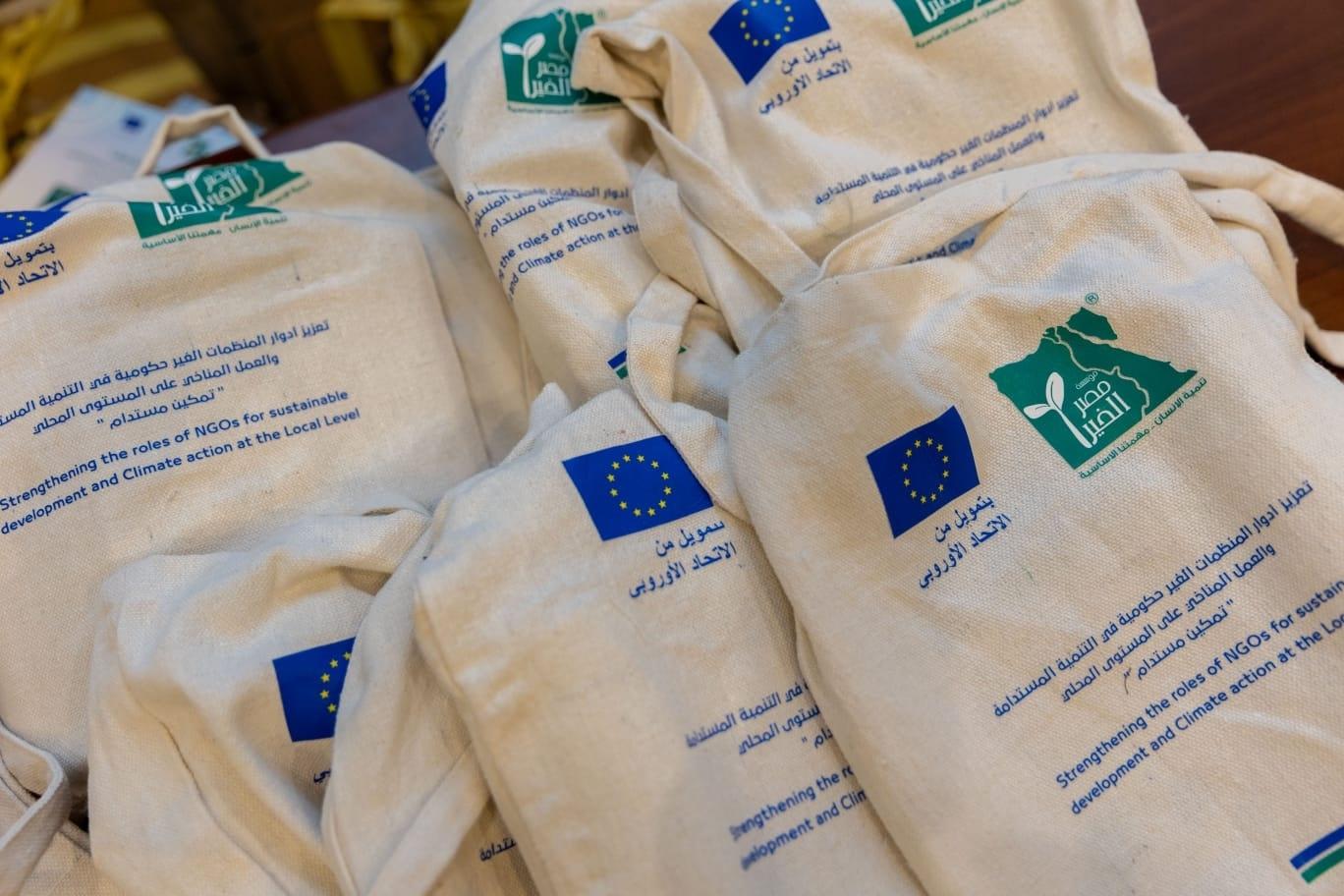
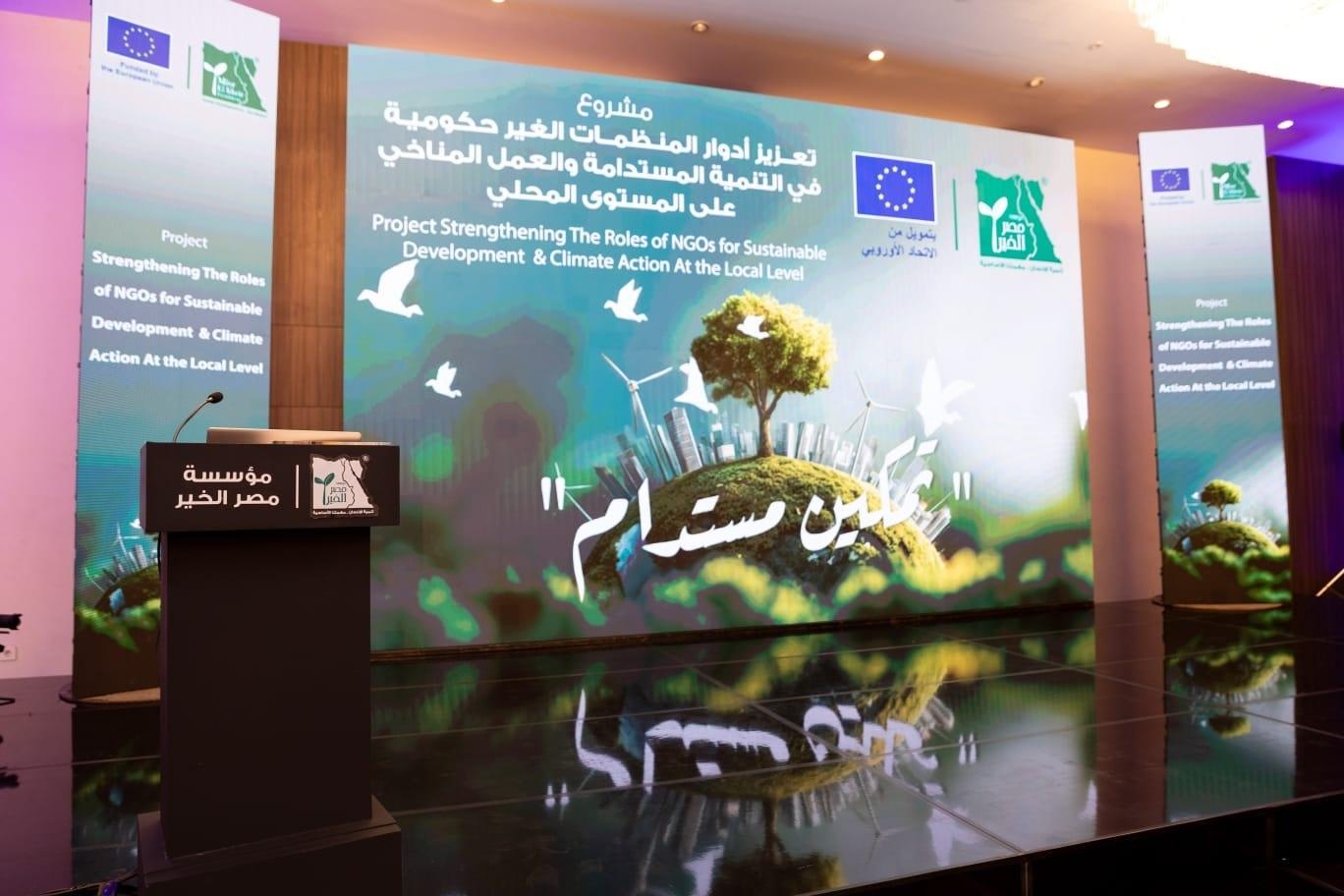
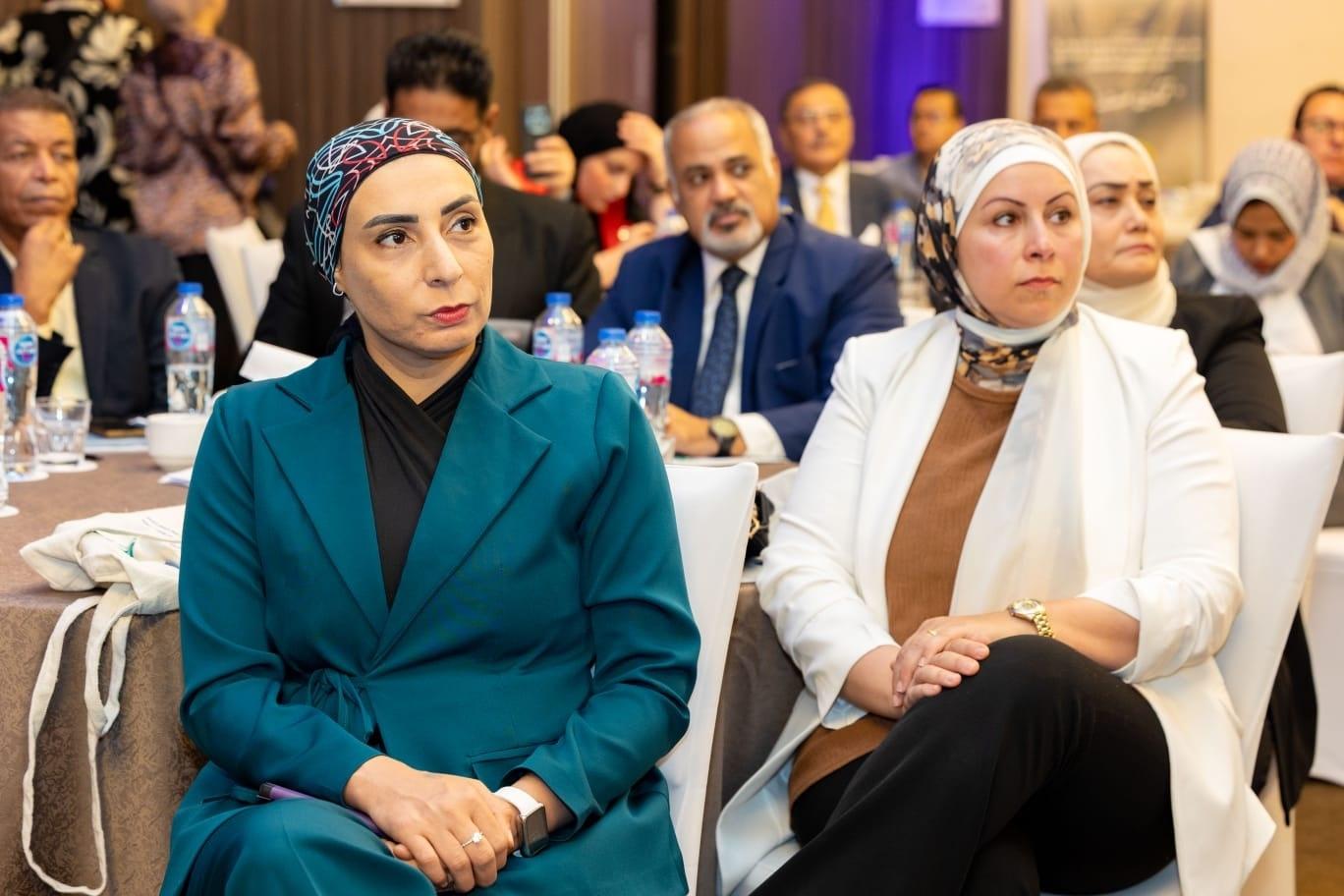
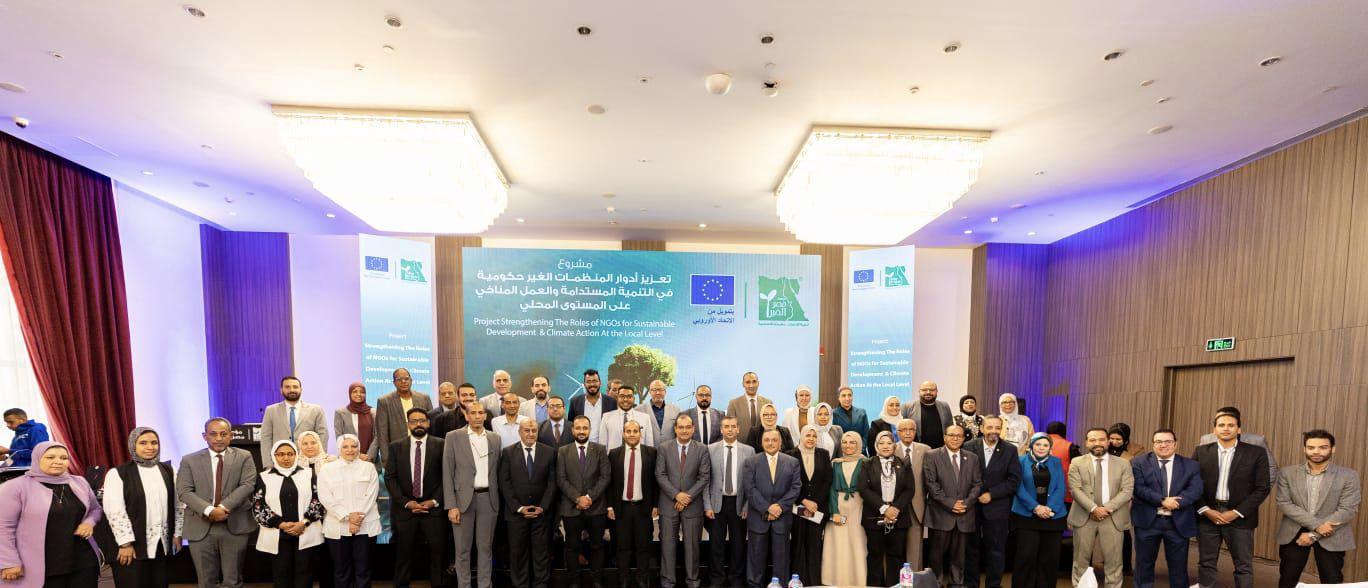
Led by the Misr El Kheir Foundation and funded by the European Union, a conference was held for the project “Enhancing the Roles of Non-Governmental Organizations in Sustainable Development and Climate Action” (Sustainable Empowerment)

News Details
Sep 7, 2025
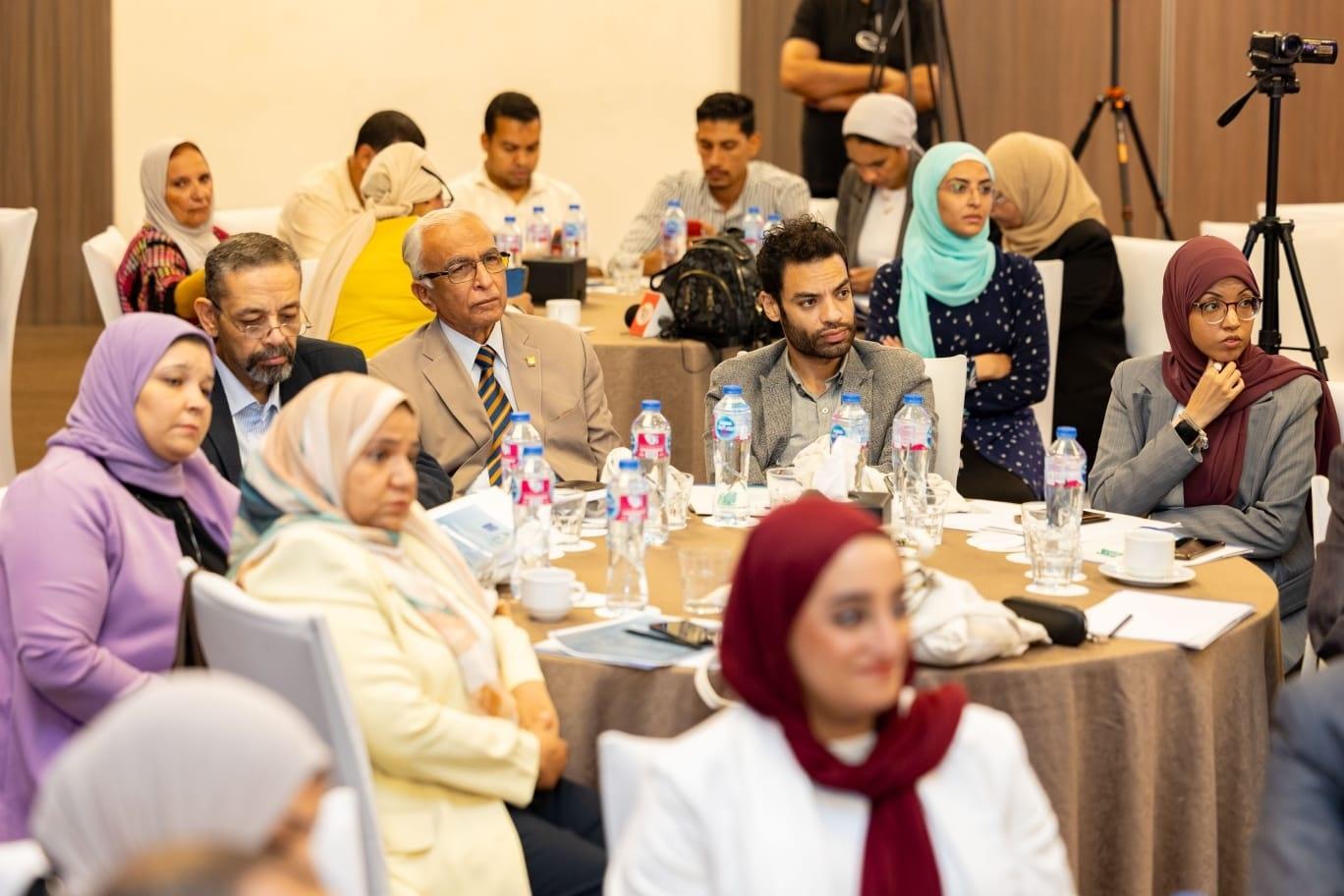
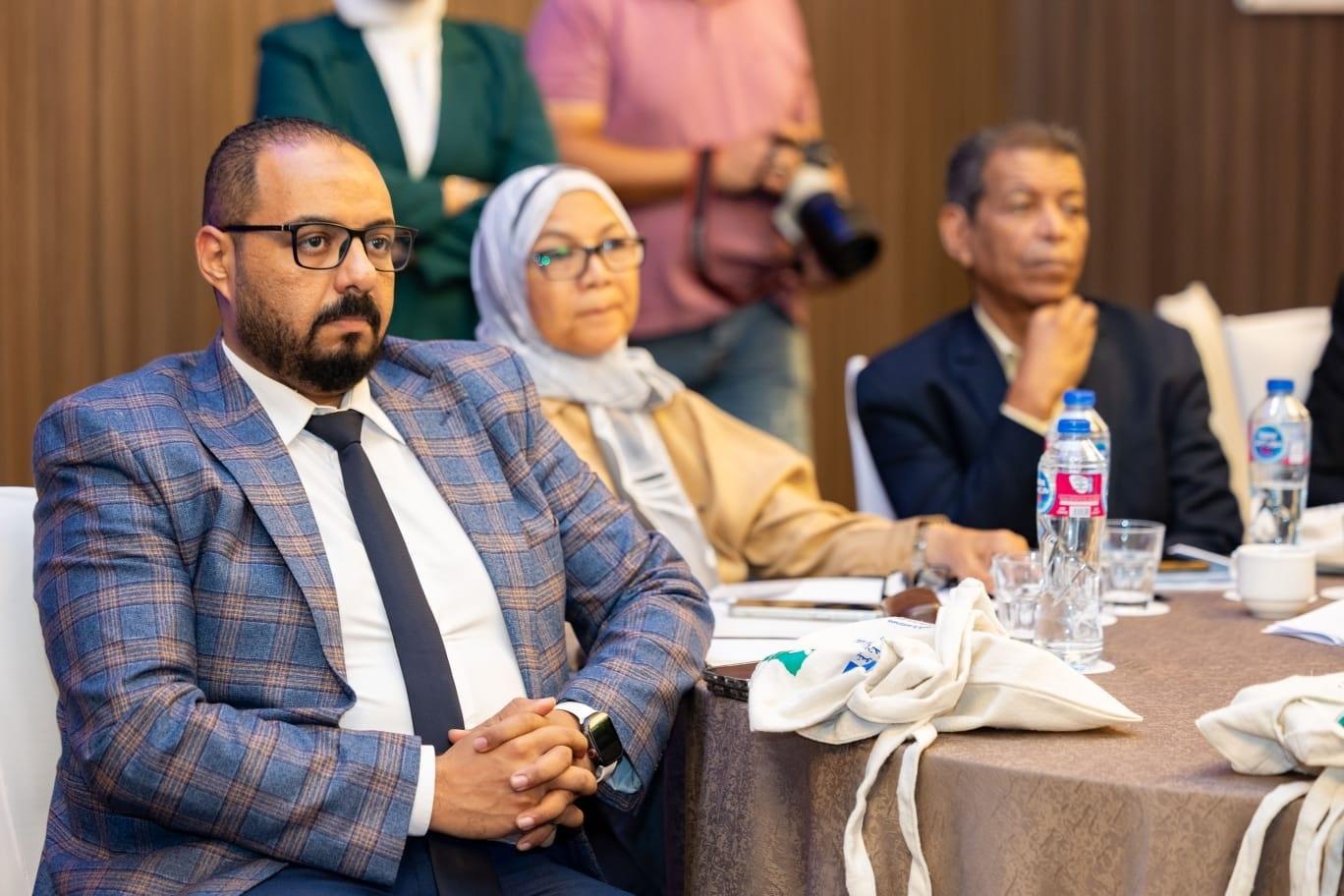
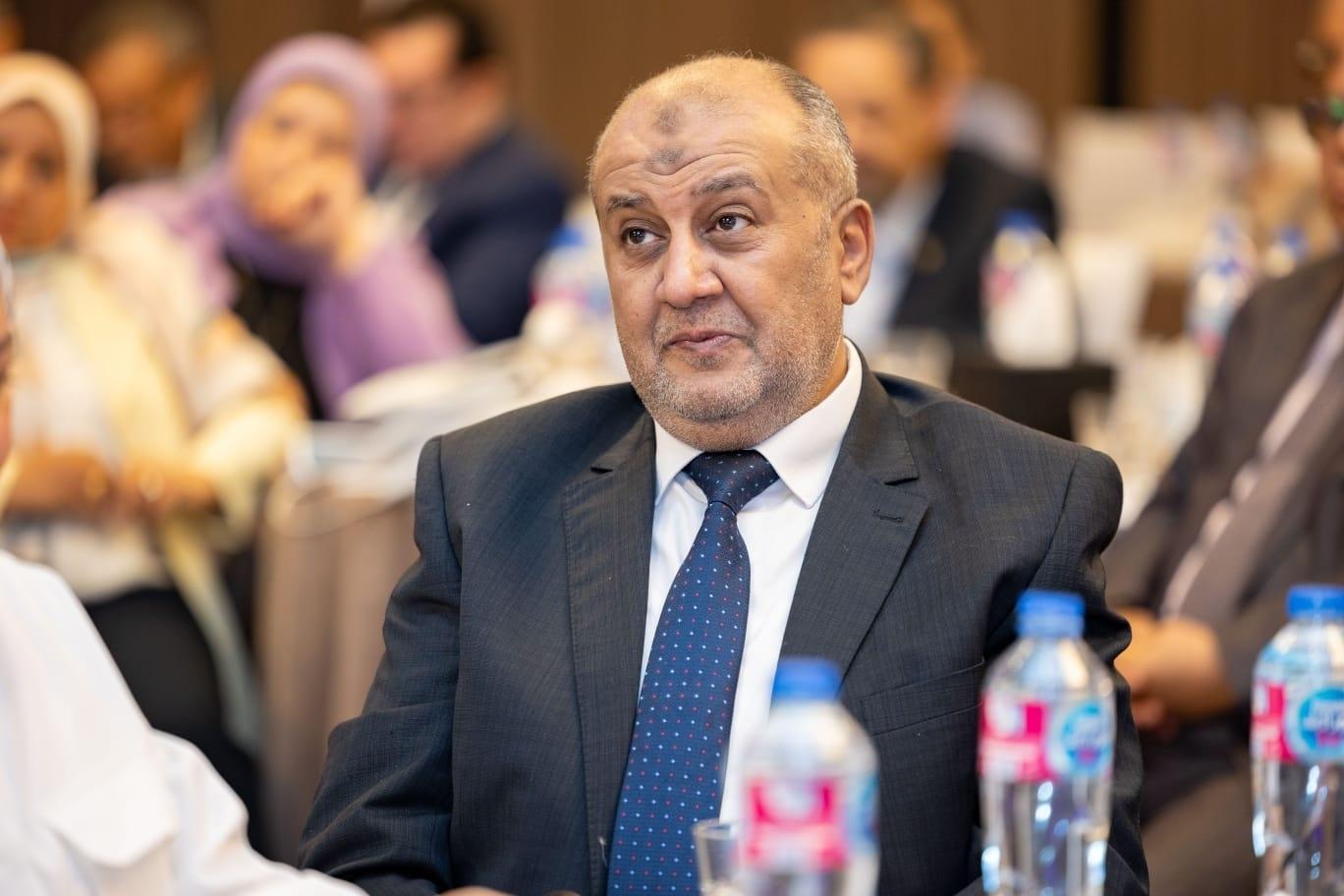
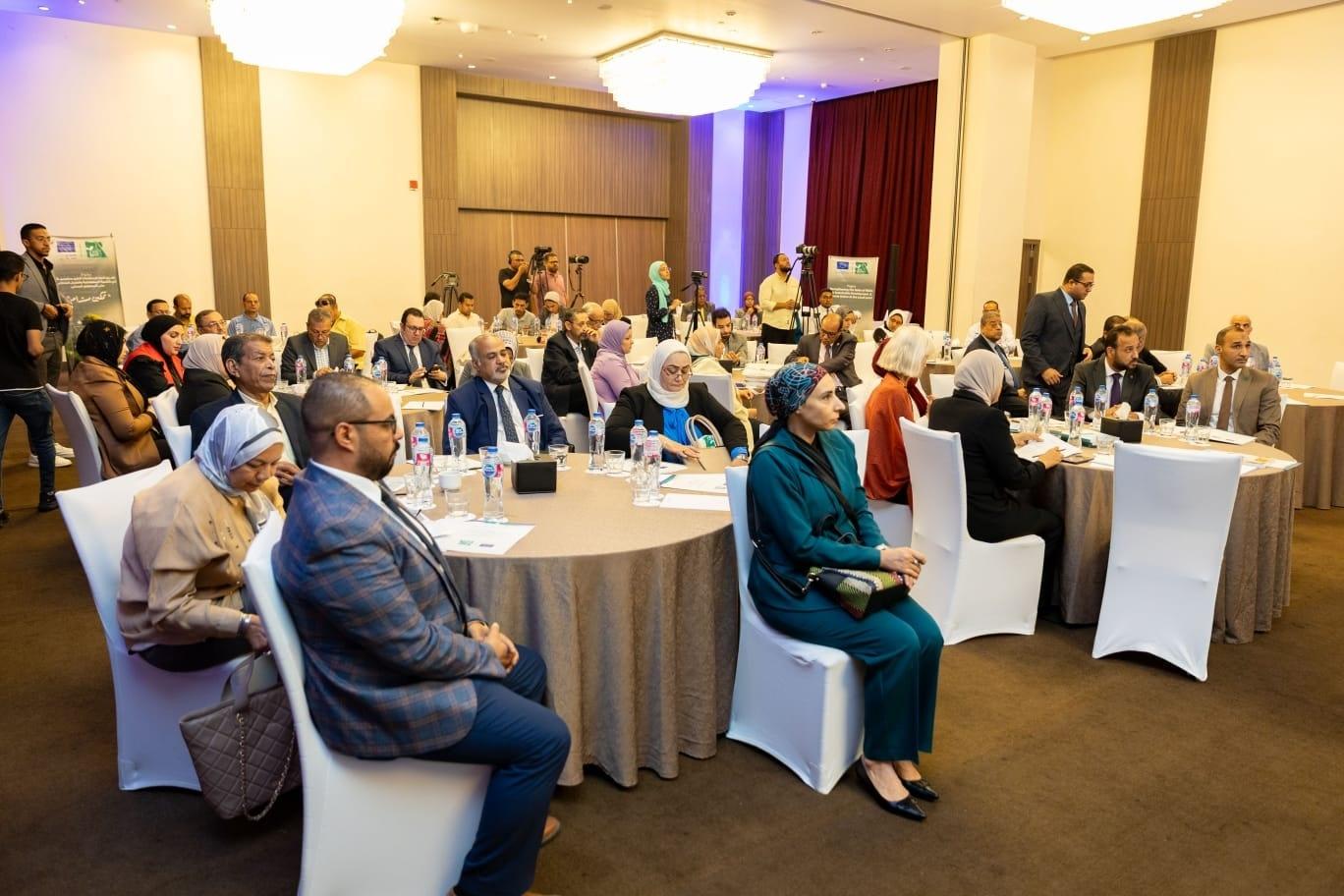
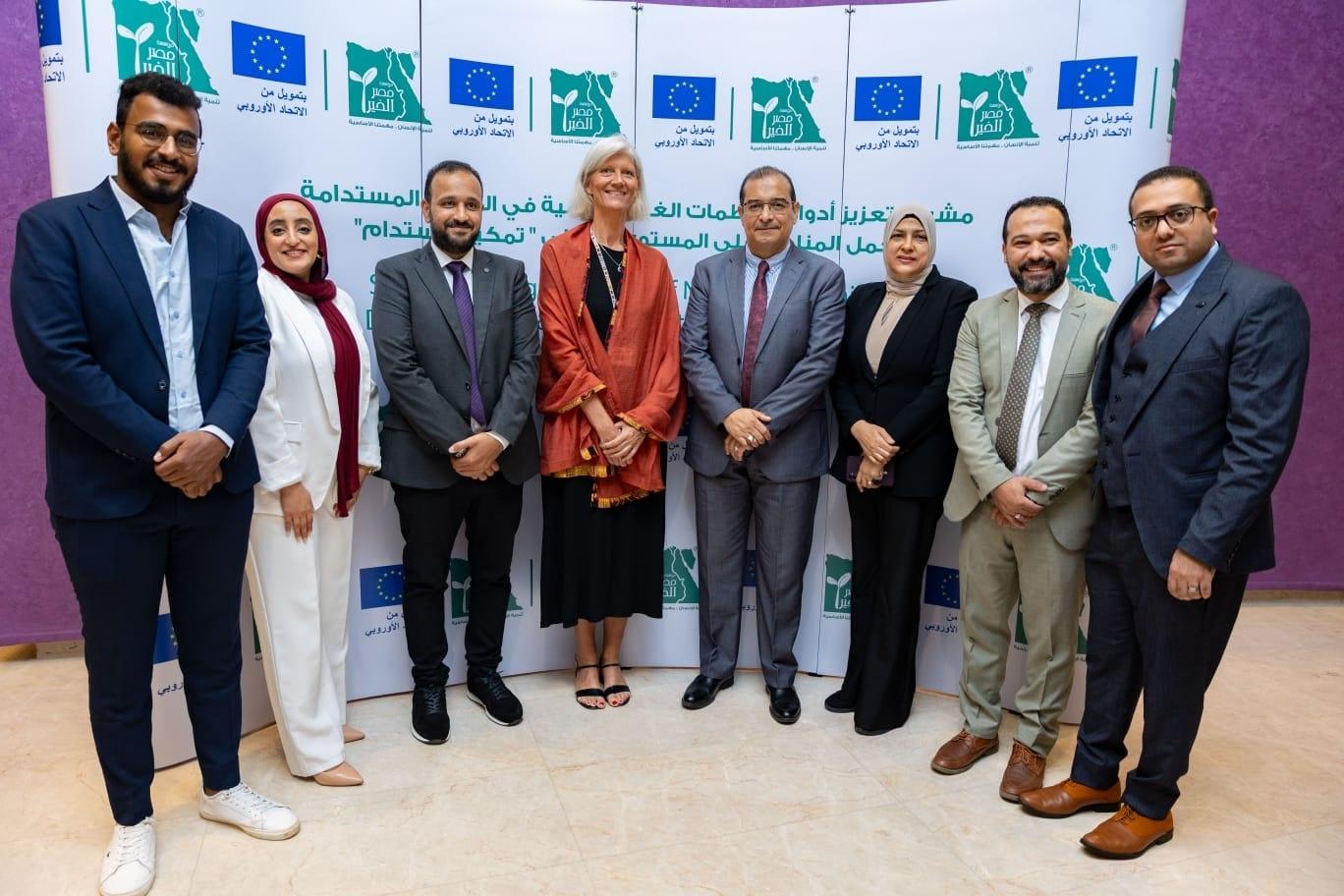
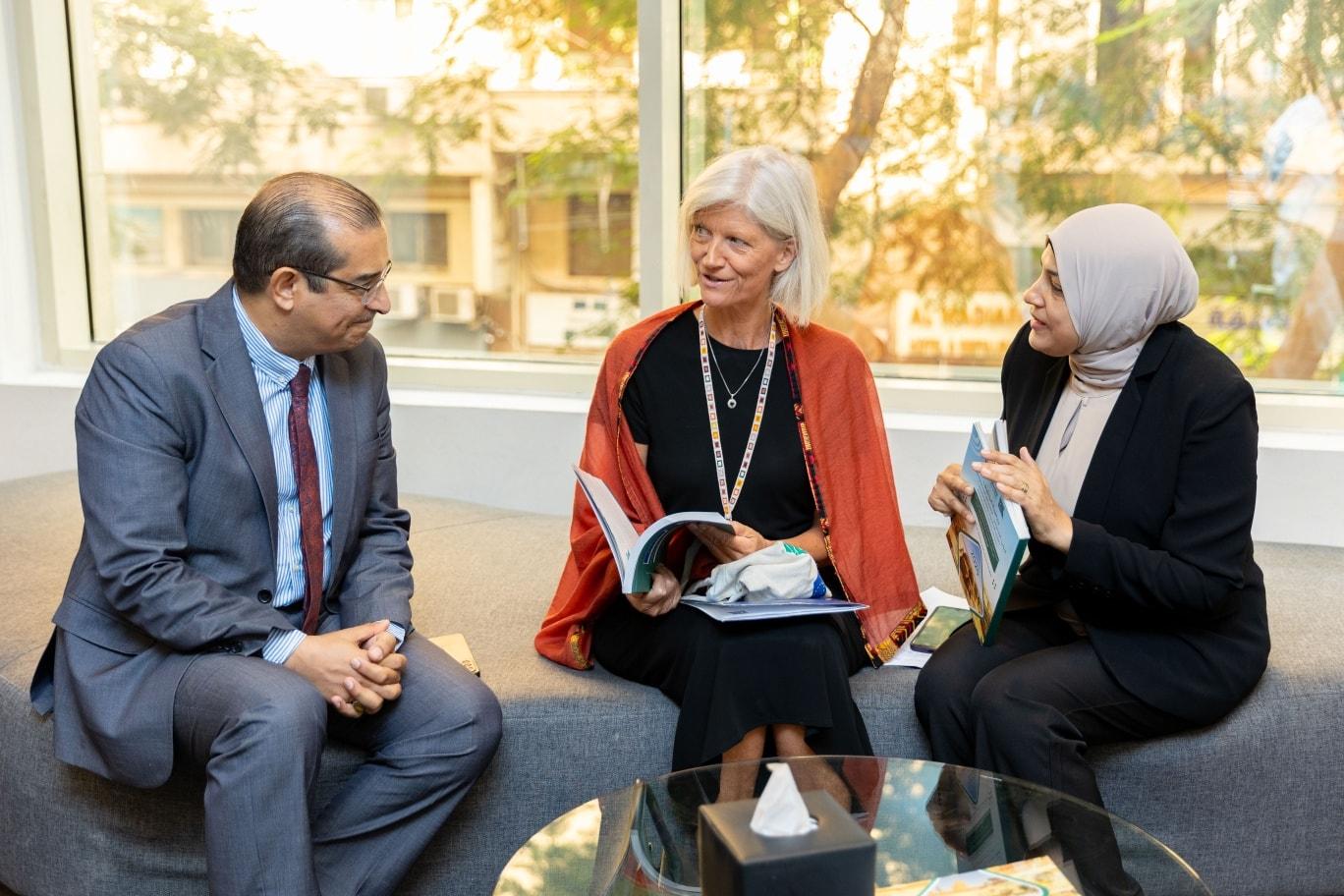
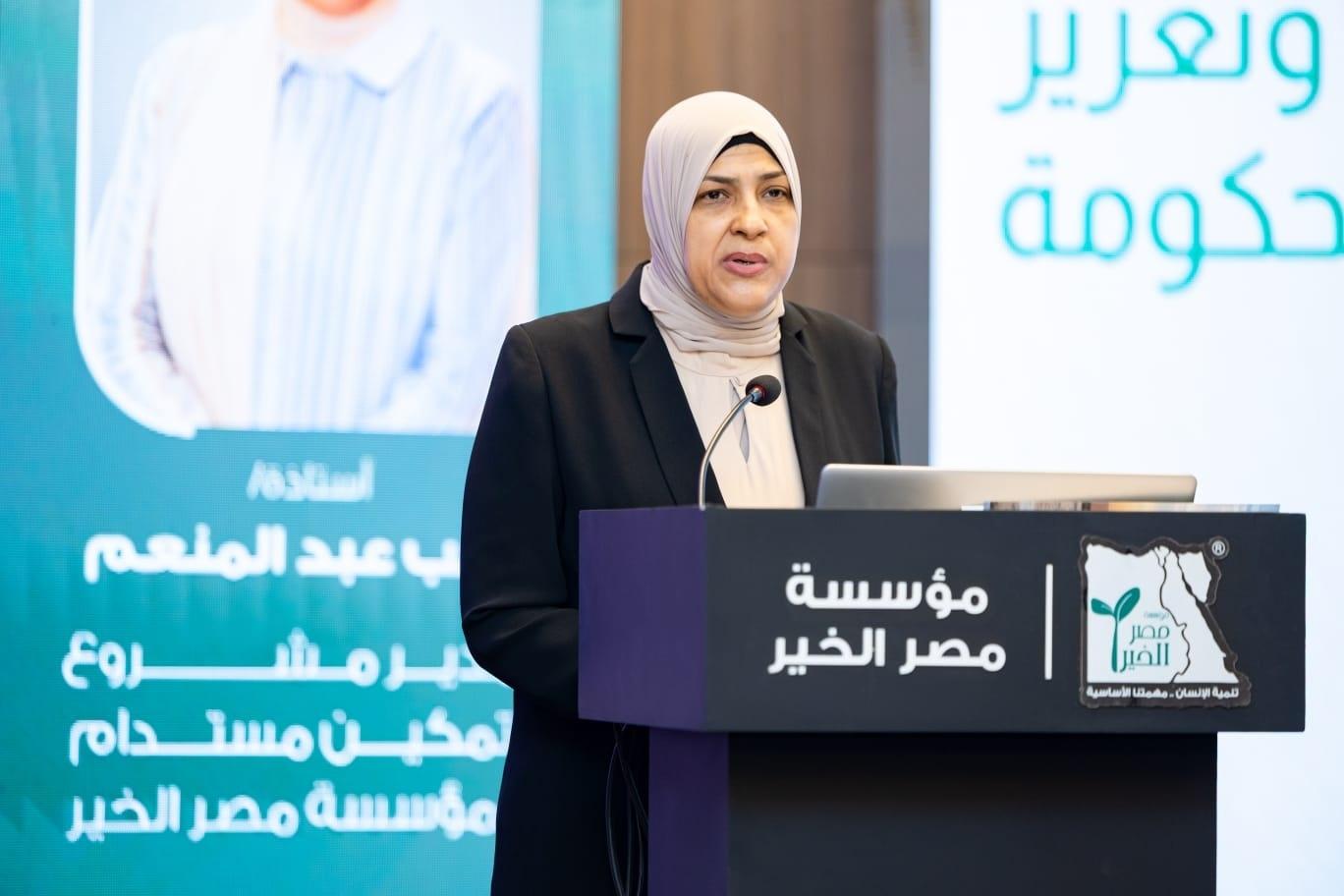
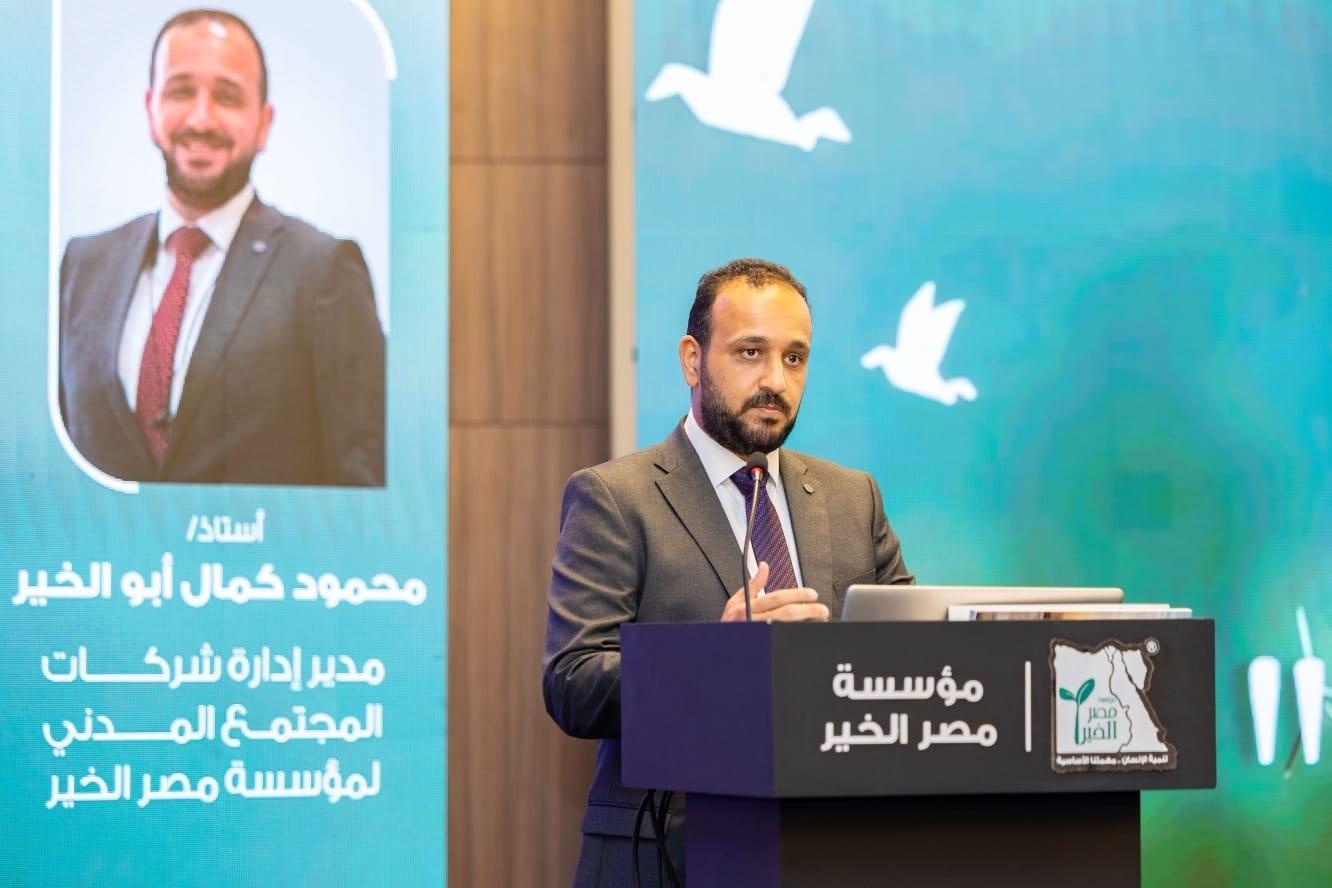
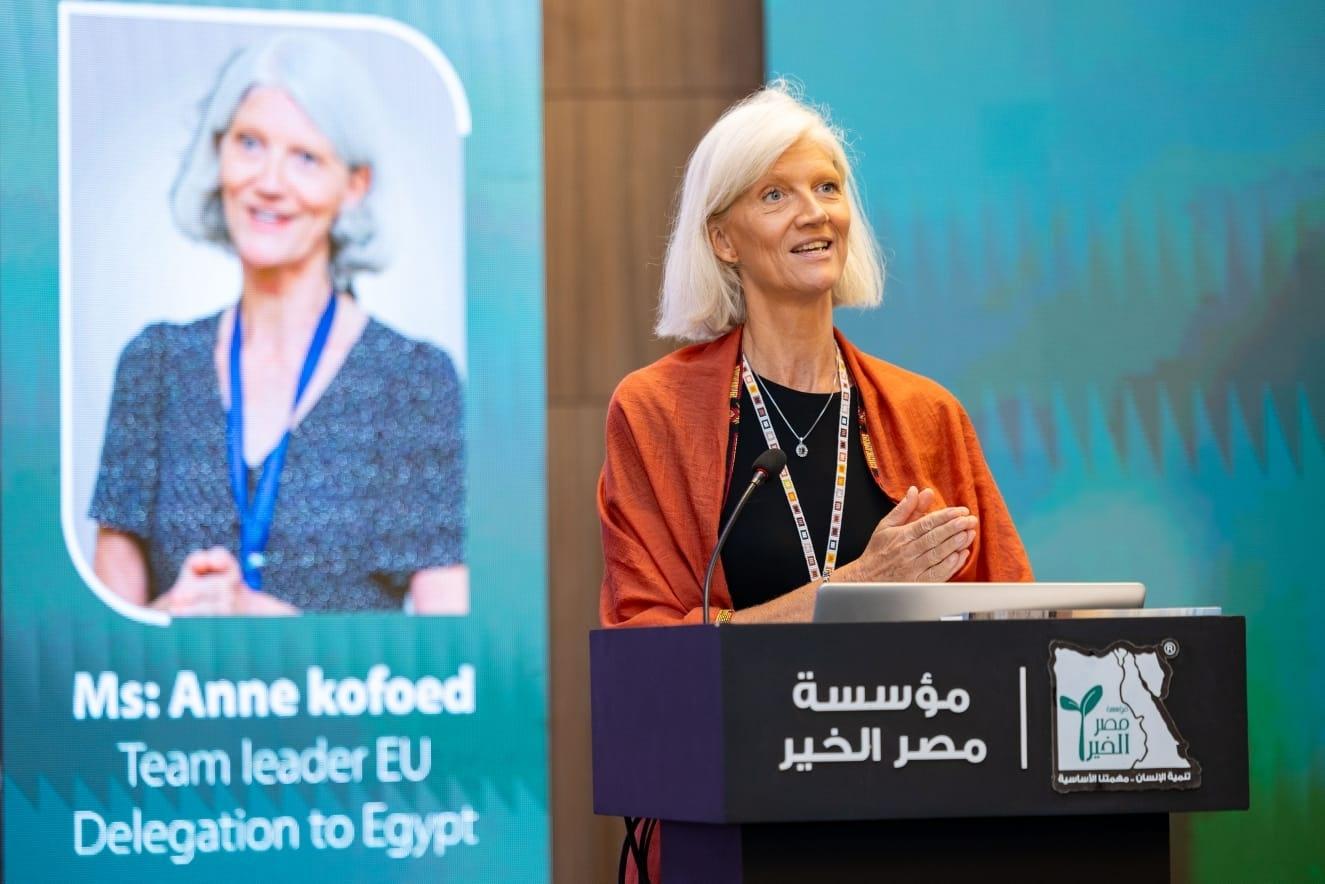
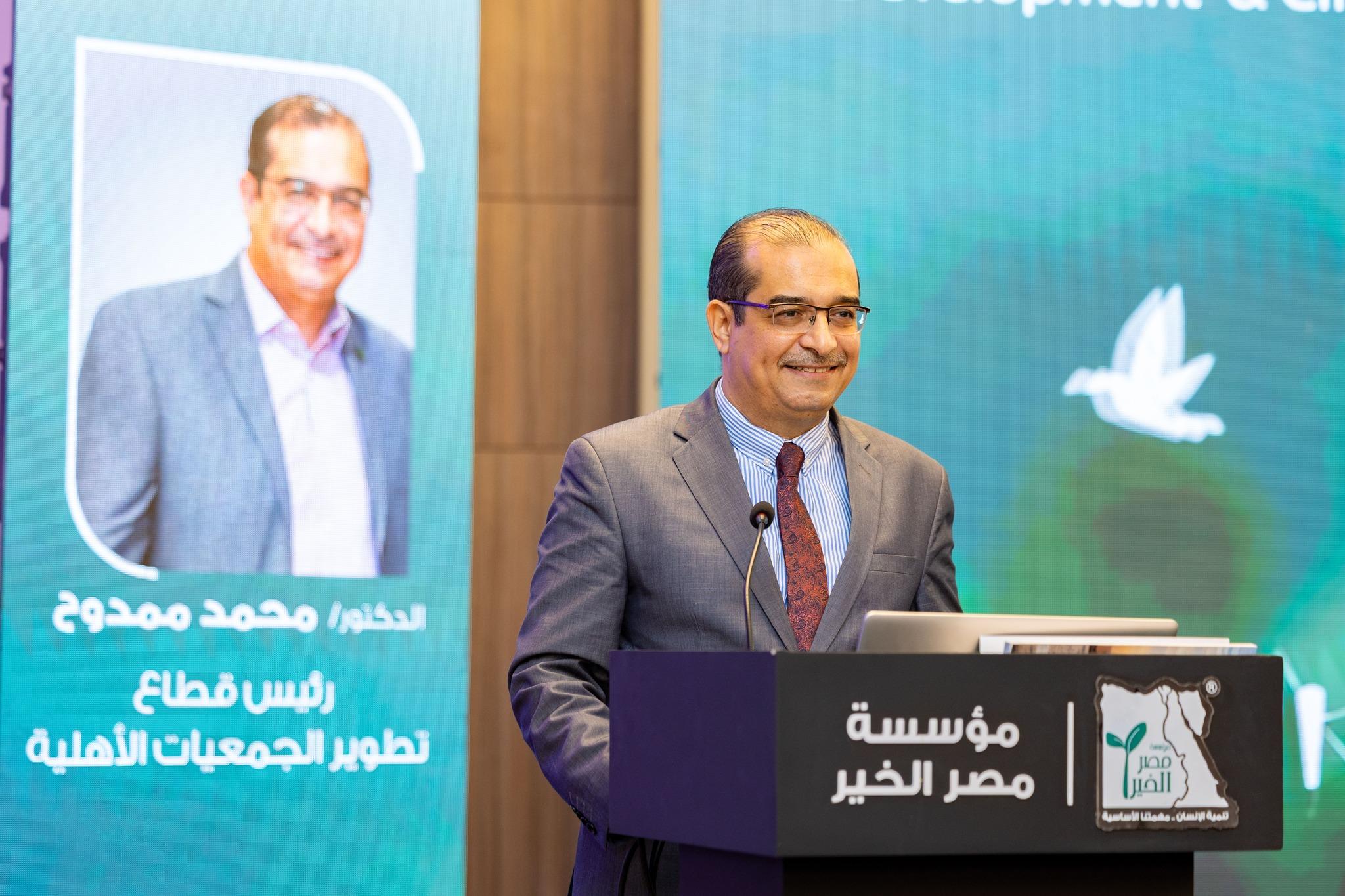
The conference was attended by Dr. Mohamed Mamdouh Abdullah, Head of the NGO Development Sector at the Misr El Kheir Foundation, representing the Foundation, and Mrs. Anne Kofod, representing the European Union, along with an elite group of civil society leaders, as well as representatives of the local administration from the governorates of (Aswan, Luxor, Beni Suef, and Fayoum), and representatives of the partner associations in the Sustainable Empowerment Project.
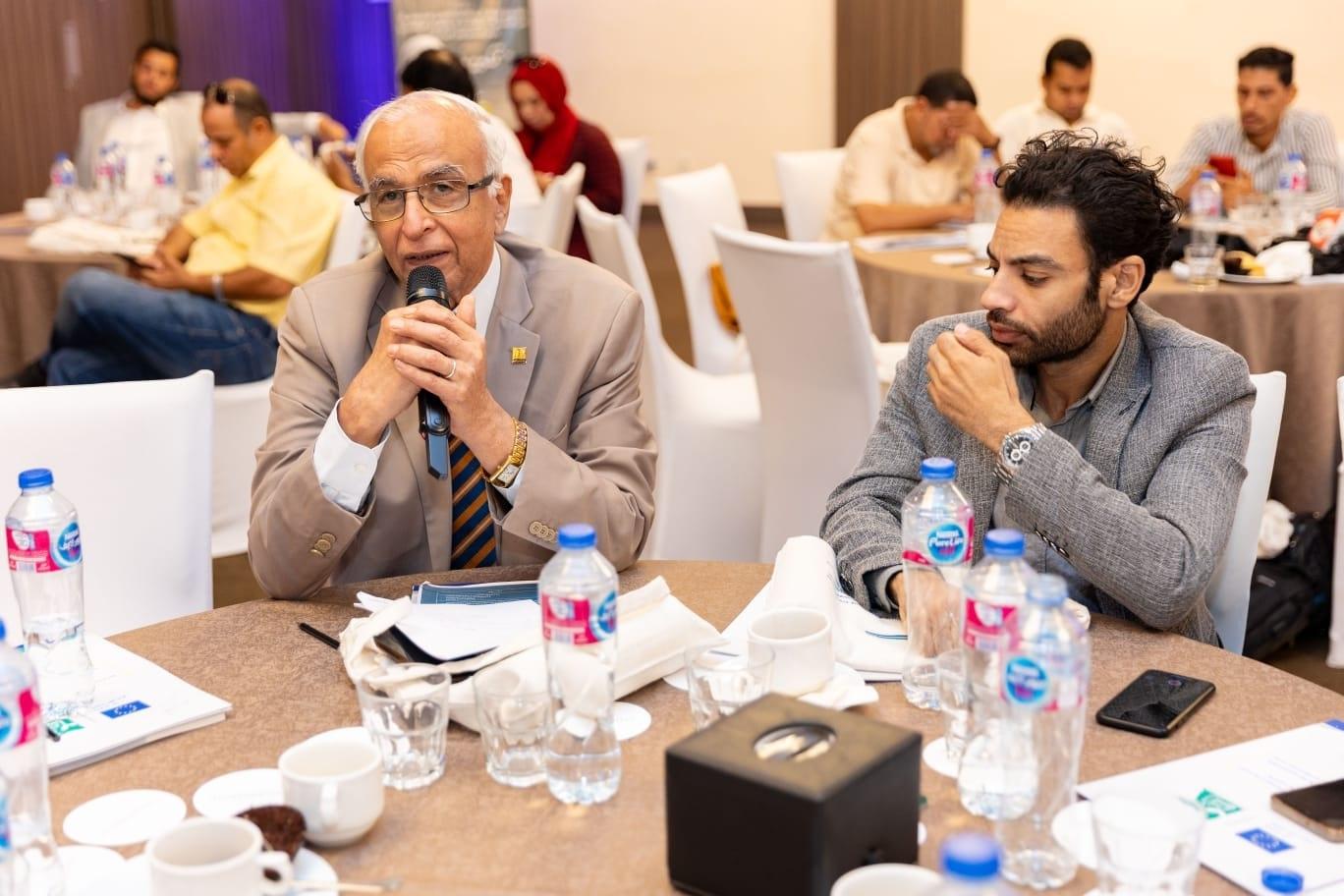
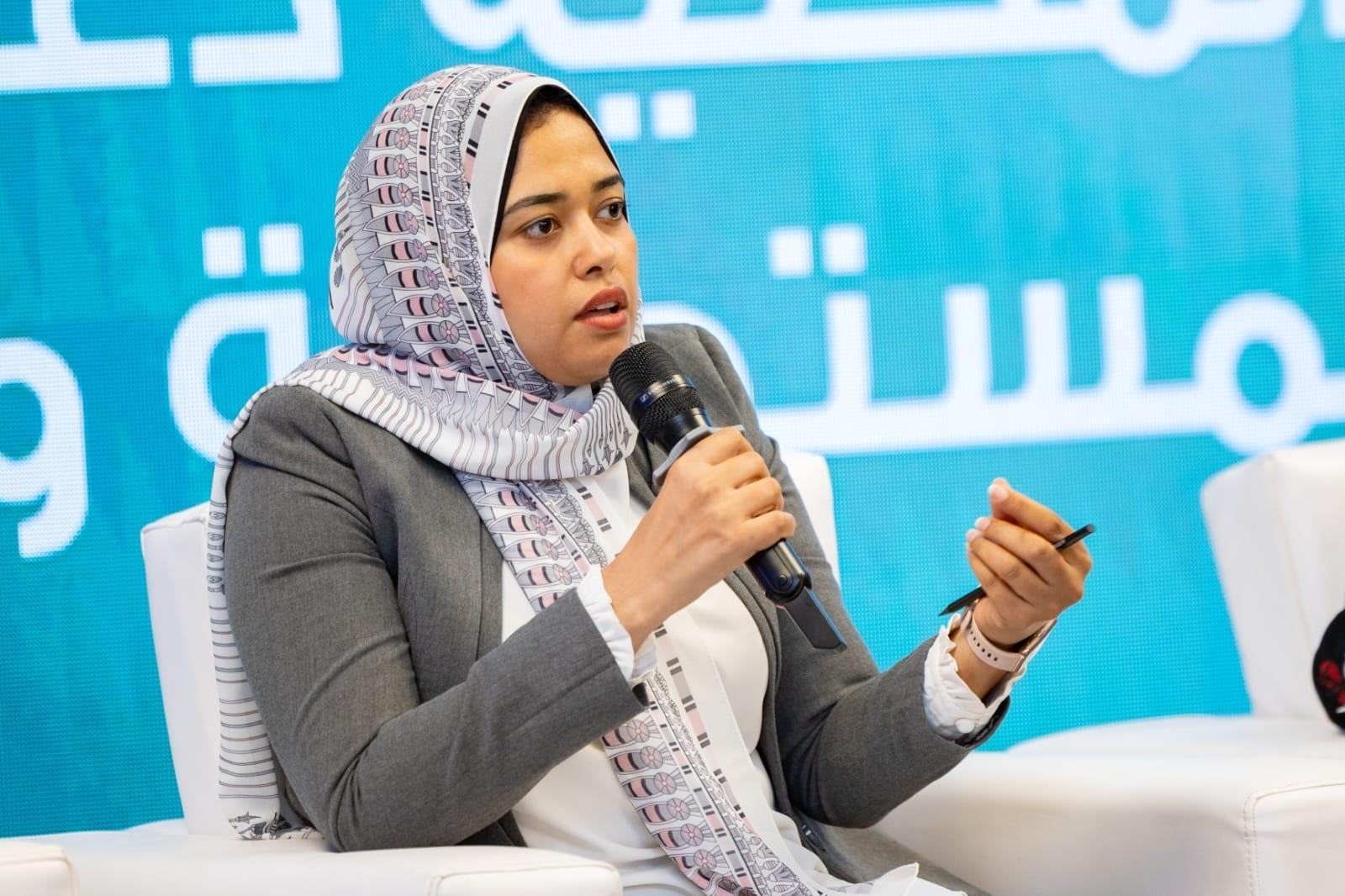
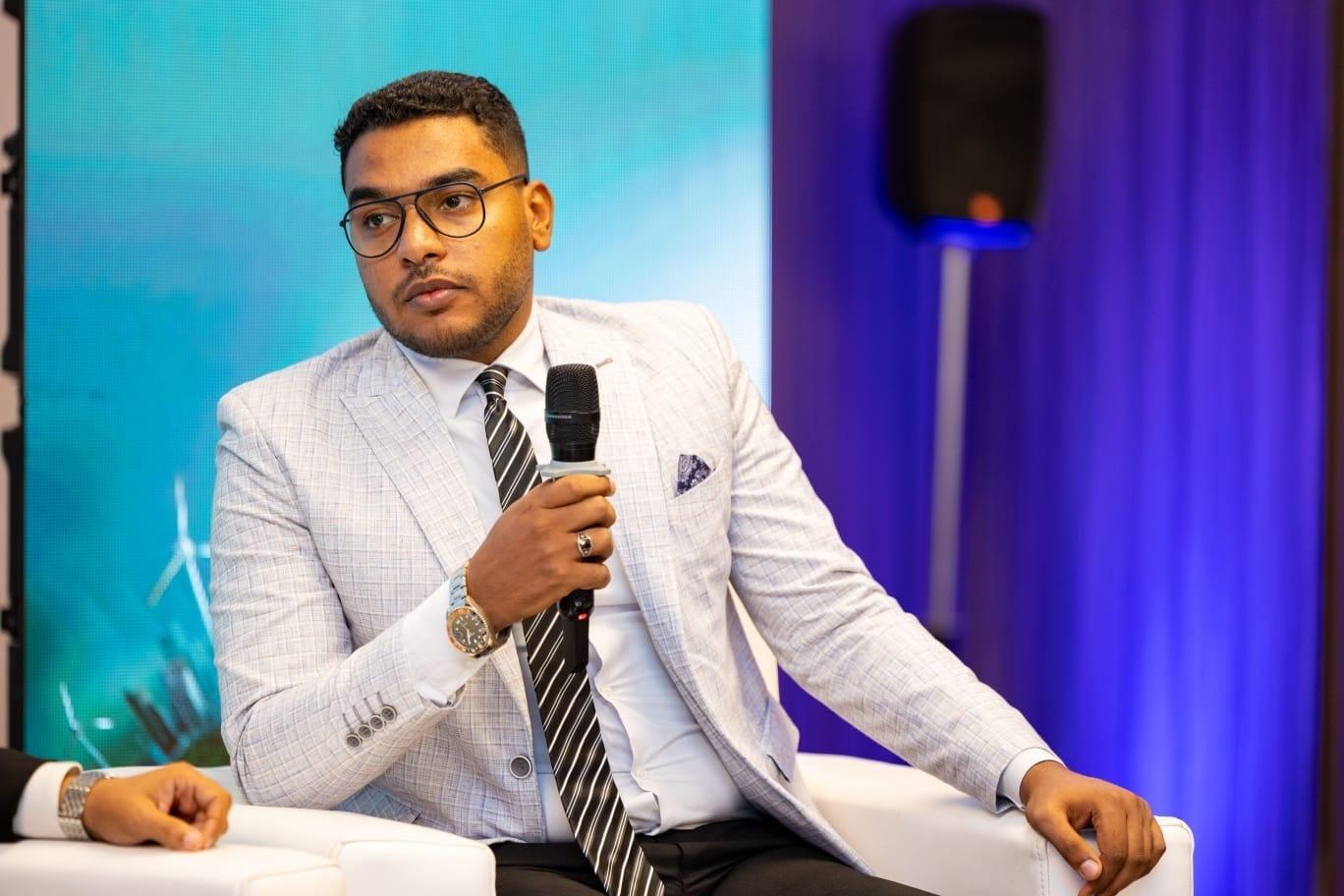
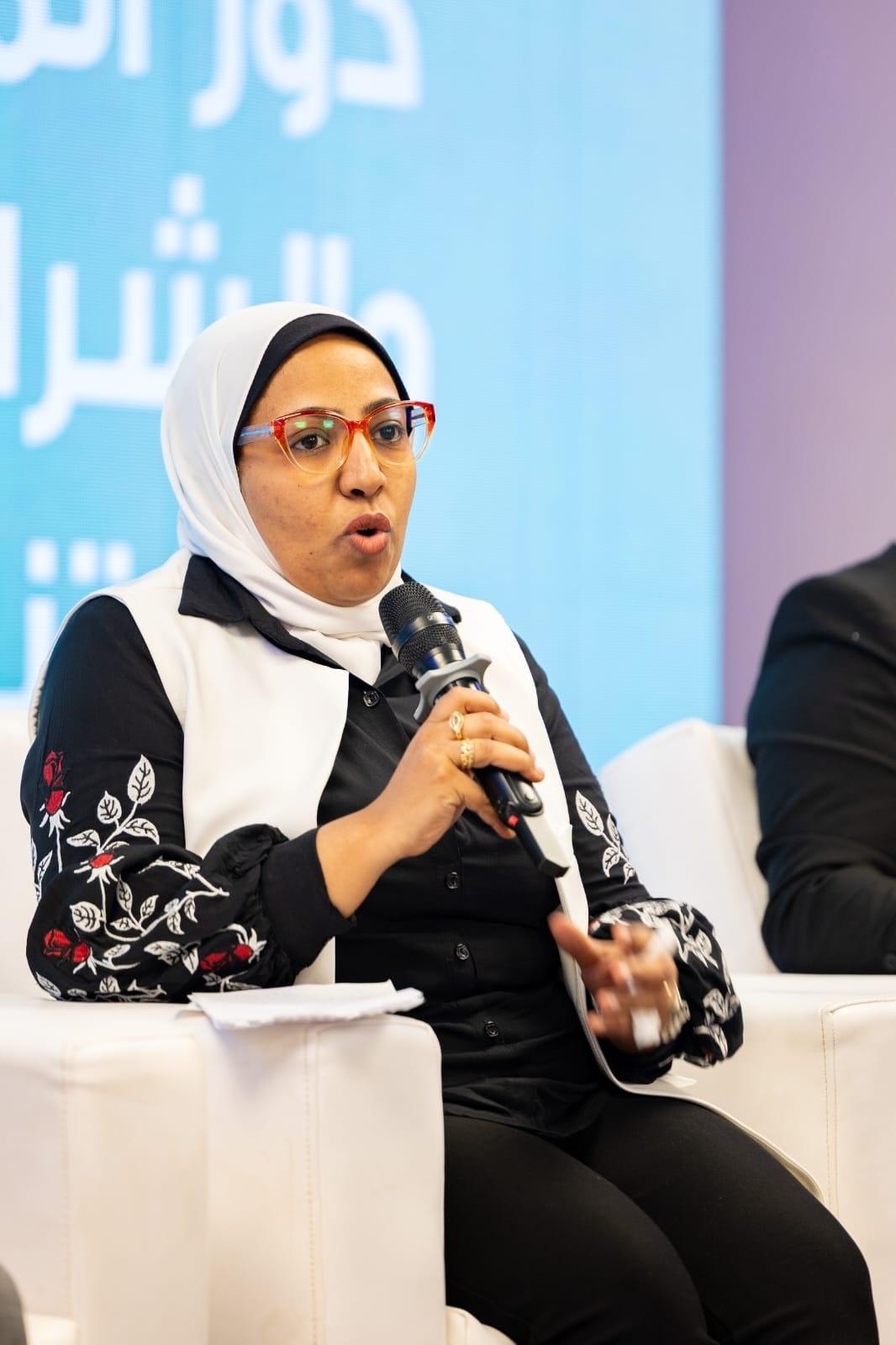
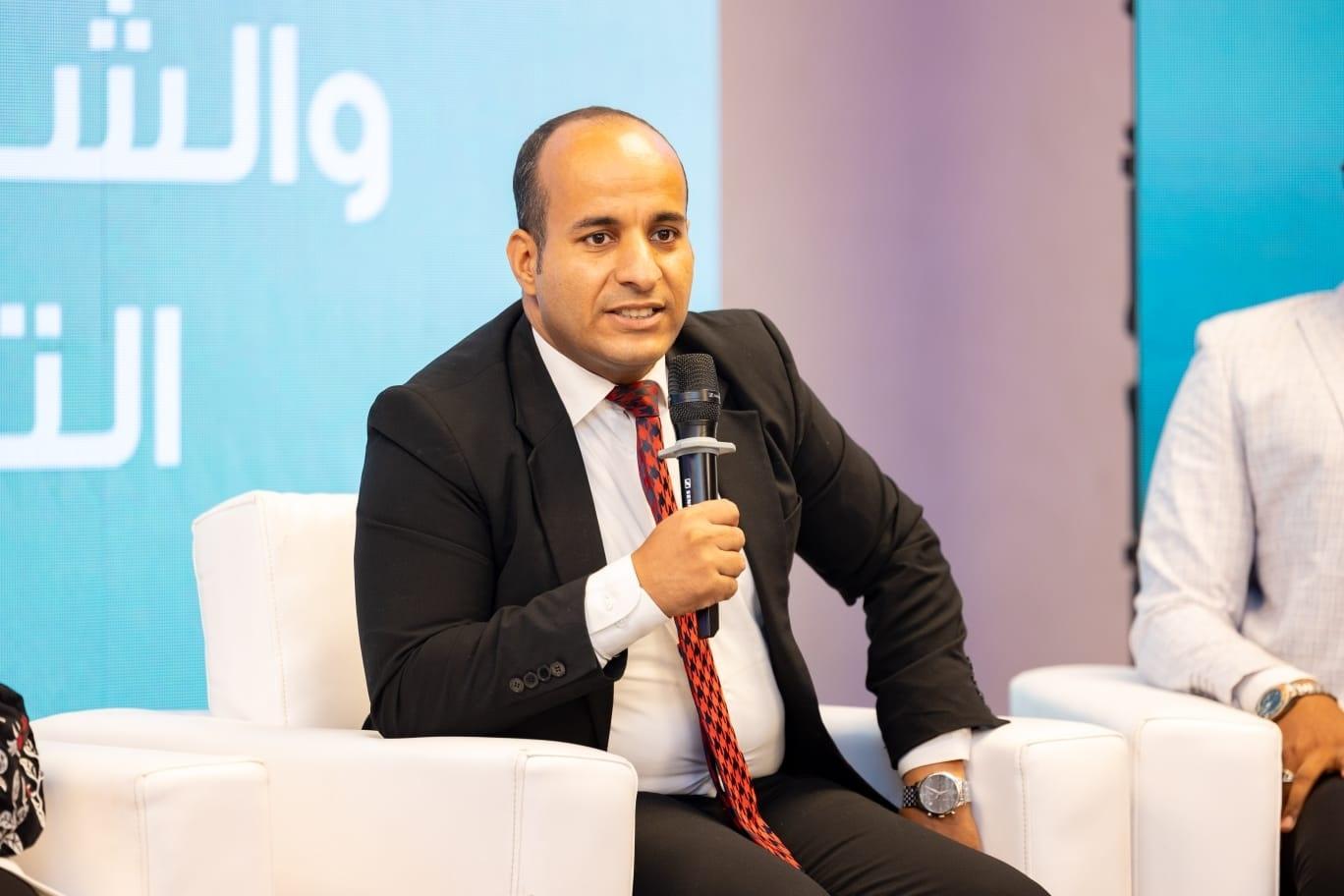
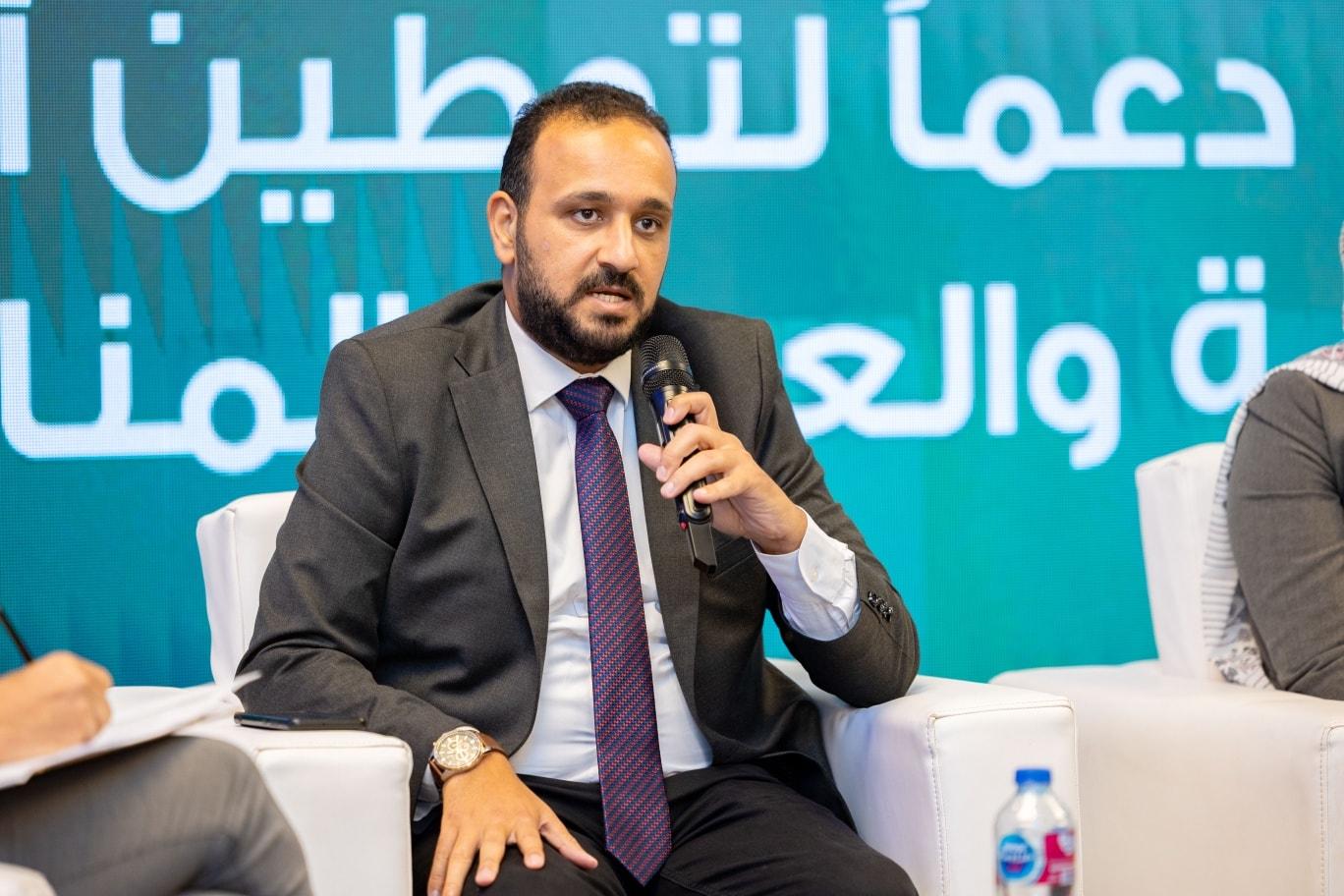
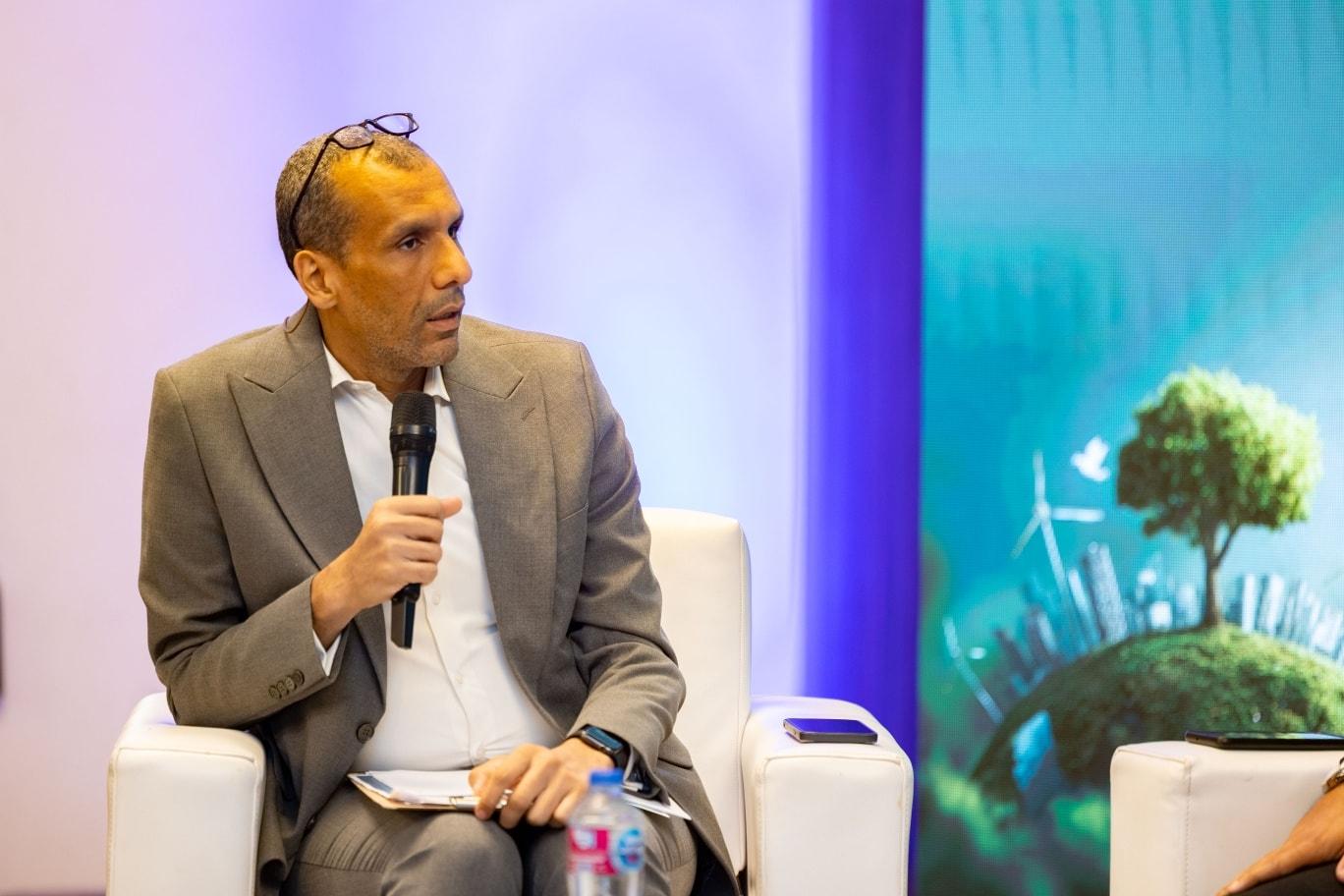
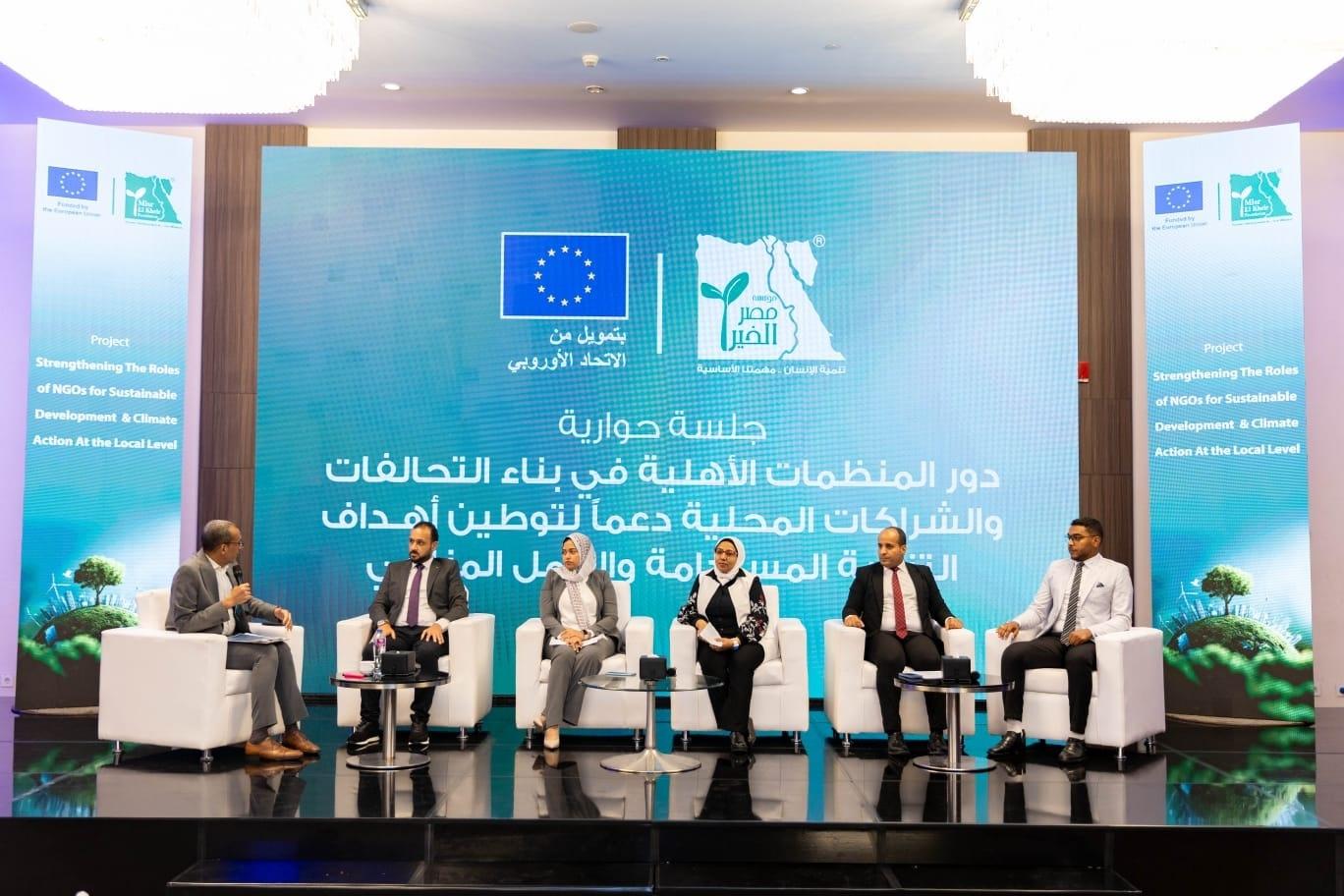
An interactive dialogue session was also held that discussed "the role of civil society organizations in building local alliances and partnerships to support sustainable development goals and climate action."
It is worth noting that the “Sustainable Empowerment” project is implemented by the Misr El Kheir Foundation with funding from the European Union, and in partnership with four Egyptian NGOs: Badir Association for Sustainable Development, Nahdet Beni Suef Foundation, Egyptians Without Borders Foundation, and the Islamic Charitable Society in Nagaa El Dar, in the governorates of (Fayoum, Beni Suef, Luxor, Aswan). The project aims to empower NGOs and enhance their roles in achieving sustainable development goals and climate action through... Building its institutional capabilities, developing strategic visions, and enhancing civil society participation in decision-making, in addition to establishing mechanisms for effective coordination with local government agencies.
Under the leadership of Misr El Kheir Foundation and with funding from the European Union, the conference for the project “Strengthen the Role of NGOs in Sustainable Development and Climate Action” was successfully convened.
Dr. Mohamed Mamdouh Abdallah, Head of the NGO Development Sector at Misr El Kheir Foundation, attended the conference representing the foundation, alongside Ms. Anne Kofoed, representing the European Union, in addition to a distinguished group of civil society leaders, representatives of local administrations from the governorates of Aswan, Luxor, Beni Suef, and Fayoum, as well as representatives of partner NGOs in the Sustainable Empowerment project.
The conference featured:
An introductory presentation highlighting the project’s objectives and achievements to date.
A documentary film showcasing field activities and success stories from the target governorates.
A presentation of the project’s policy paper titled “Strategic Directions for the Future of NGOs in Egypt”, followed by an open discussion with attendees on strengthening the civil society sector.
An interactive dialogue session exploring the role of NGOs in building alliances and fostering local partnerships to advance the Sustainable Development Goals (SDGs) and climate action.
The event concluded with a presentation of the project’s future roadmap, which includes:
Launching community-led initiatives.
Establishing regional observatories to monitor and support sustainable development efforts.
These steps reflect the shared commitment of Misr El Kheir Foundation and the European Union to ensure a lasting impact beyond the project’s duration.
It is worth noting that the Sustainable Empowerment project is implemented by Misr El Kheir Foundation, funded by the European Union, and carried out in partnership with four Egyptian NGOs:
1) Bader Association for Sustainable Development
2) Nahdet Beni Suef Foundation
3)Egyptians Without Borders Foundation
4)Islamic Charity Association in Nag El-Dar
The project operates in the governorates of Fayoum, Beni Suef, Luxor, and Aswan, aiming to:
Empower NGOs through institutional capacity building
Develop strategic visions for sustainable development
Enhance civil society participation in decision-making
Establish effective coordination mechanisms with local government entities